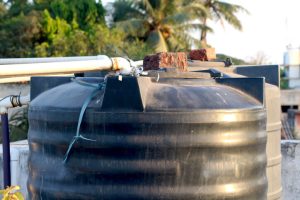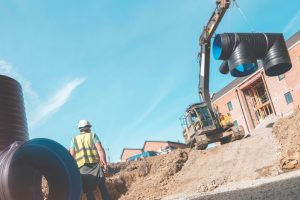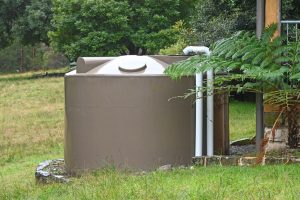
Washington experiences some of the highest annual rainfall totals in the United States, especially across the western part of the state. Combined with rapid urban growth in cities like Seattle, Tacoma, Bellevue, and Spokane, this places significant pressure on aging drainage infrastructure. Modern developments are increasingly required to include stormwater storage tanks that reduce runoff, protect waterways, and meet strict municipal stormwater regulations.
FRP Mocoat Fiberglass manufactures durable above-ground and underground stormwater tanks in Washington for commercial, municipal, industrial, and residential projects. Whether your goal is temporary detention, long-term storage, or rainwater harvesting, our fiberglass tank systems provide reliable, corrosion-resistant performance with minimal maintenance.
Reliable Stormwater Solutions for Washington Properties
Managing runoff is about more than preventing flooding – it also protects rivers, lakes, and Puget Sound from polluted stormwater. Our engineered fiberglass tanks help developments comply with Washington State Department of Ecology requirements while supporting sustainable water management.
FRP Mocoat Fiberglass offers:
- Underground and above-ground stormwater storage tanks
- Detention and retention tank systems
- Custom tank capacities for projects of every size
- Rainwater harvesting and reuse solutions
- Optional filtration and treatment equipment
Every system is designed to withstand Washington’s wet climate while delivering decades of dependable service.
Why Stormwater Storage Matters in Washington
Rainfall that lands on roofs, parking lots, roads, and sidewalks cannot naturally soak into the ground. Instead, it becomes runoff that flows into storm drains carrying sediment, oil, chemicals, and debris. Without adequate storage, this runoff can overwhelm sewer systems and contribute to localized flooding and environmental contamination.
Installing stormwater storage tanks allows property owners to temporarily capture excess water and release it at a controlled rate, reducing peak flow and helping protect surrounding infrastructure.
Detention vs. Retention Tanks
Although both systems manage water, they serve different purposes.
Stormwater Detention Tanks
Detention tanks temporarily store runoff during storms and slowly discharge it into the municipal drainage system after peak rainfall has passed. These systems are ideal for commercial developments, parking facilities, schools, and industrial sites where runoff volumes are significant.
Rainwater Retention Tanks
Retention tanks collect relatively clean rainwater before it becomes contaminated by surface runoff. The stored water can be reused for irrigation, toilet flushing, equipment washing, landscape maintenance, and other non-potable applications, helping reduce municipal water consumption.
Many Washington developments benefit from combining both approaches into one integrated water management system.
Why Fiberglass is an Excellent Choice
Not all stormwater tanks perform equally in Washington’s demanding climate. Fiberglass offers several advantages over steel and plastic alternatives.
| Feature | Fiberglass Tanks |
| Corrosion resistance | Excellent |
| Lightweight installation | Yes |
| Long service life | 50+ years |
| Low maintenance | Yes |
| Suitable for underground use | Yes |
Unlike steel, fiberglass does not rust in constantly wet environments. Its lightweight construction also reduces transportation and installation costs while maintaining exceptional structural strength.
Applications Across Washington
Our stormwater tanks in Washington are used for a wide range of projects, including:
- Commercial buildings and shopping centres
- Residential subdivisions
- Municipal infrastructure projects
- Schools and universities
- Industrial facilities
- Transportation and public works developments
Each installation is engineered to meet site-specific hydraulic requirements and local permitting standards.
Your Trusted Supplier of Stormwater Tanks in Washington
Whether you’re developing a commercial property, expanding municipal infrastructure, or designing a sustainable residential community, FRP Mocoat Fiberglass delivers dependable stormwater storage tanks engineered for Washington’s unique environmental conditions. Our fiberglass systems combine durability, regulatory compliance, and long-term performance to help protect both your investment and the surrounding environment.

Frequently Asked Questions
Why are stormwater tanks important in Washington?
Washington receives frequent and heavy rainfall, making effective runoff management essential for protecting communities, infrastructure, and sensitive waterways from flooding and pollution.
What is the difference between detention and retention tanks?
Detention tanks temporarily store runoff before controlled discharge, while retention tanks collect rainwater for future reuse in irrigation, maintenance, or other non-potable applications.
Are fiberglass stormwater tanks suitable for underground installation?
Yes. Fiberglass tanks are specifically designed for underground applications and provide excellent structural performance and corrosion resistance in continuously wet soil conditions.
How long do fiberglass stormwater tanks last?
Fiberglass tanks typically provide a service life of 50 years or more with minimal maintenance, making them a cost-effective long-term investment.
Can stormwater tanks help meet Washington environmental regulations?
Absolutely. Properly designed detention systems help developments comply with municipal stormwater requirements and Washington State Department of Ecology standards.
What sizes of stormwater tanks are available?
FRP Mocoat Fiberglass manufactures tanks in a wide range of capacities, from compact residential systems to large municipal and industrial storage solutions, with custom sizing available.
Can collected rainwater be reused?
Yes. Water stored in retention systems can be reused for irrigation, landscape maintenance, toilet flushing, equipment cleaning, and other non-potable purposes when appropriate treatment is included.
Why choose fiberglass instead of steel for stormwater tanks?
Fiberglass will not rust, requires less maintenance, is lighter to transport and install, and performs exceptionally well in Washington’s wet climate compared to traditional steel tanks.
Does FRP Mocoat Fiberglass provide custom stormwater solutions?
Yes. FRP Mocoat Fiberglass designs and manufactures customized stormwater storage tanks tailored to each project’s hydraulic, structural, and regulatory requirements throughout Washington.