
Reliable fire protection infrastructure is essential for commercial, industrial, and municipal facilities in Washington. Whether protecting warehouses, agricultural operations, manufacturing plants, or public infrastructure, having a dependable water supply for fire protection can significantly reduce the risk of catastrophic damage. This is where a properly designed fire water tank system becomes critical.
A fire water storage tank provides a dedicated reserve of water that can be immediately used by fire suppression systems during an emergency. In many locations in Washington, municipal water systems alone may not provide the volume or pressure required for large-scale fire protection. As a result, many facilities install fire protection water storage tanks to ensure that adequate water is available when it is needed most.
Modern fire suppression tanks are engineered to meet strict fire safety standards while delivering durability, reliability, and long-term performance. These systems play a vital role in helping businesses maintain compliance with fire codes while protecting buildings, assets, and personnel. By installing properly designed fire protection water tanks, property owners can significantly improve emergency preparedness and reduce the risk associated with fire hazards.
Fire emergencies can escalate quickly, especially in large facilities where combustible materials are present. Installing fire protection water storage tanks provides a reliable source of water that allows fire suppression systems to respond immediately and effectively.
One of the primary advantages of a fire water tank is its rapid response capability. When a fire begins, suppression systems must activate quickly to control the spread of flames. Having a dedicated fire water storage tank ensures that water is available instantly without relying solely on municipal supply lines.
Another important benefit is reliability. Water supply disruptions, maintenance issues, or limited infrastructure in Washington can reduce the effectiveness of traditional water sources during emergencies. By installing fire protection water tanks, facilities gain a dependable backup supply that ensures firefighting operations can continue without interruption.
Additionally, fire suppression tanks provide the large storage capacity required to combat major fires. Industrial buildings, warehouses, and agricultural facilities often require thousands of gallons of water to support sprinkler systems, hydrants, and firefighting equipment. A properly designed fire suppression water tank can supply this water continuously during a fire event.
Beyond operational advantages, these systems also help businesses comply with building codes and fire safety regulations in Washington. Many jurisdictions require properties to install dedicated fire protection storage tanks to meet fire protection standards.
Different facilities require different tank configurations depending on available space, terrain, and operational requirements. Several common types of fire protection storage tanks are used in Washington to support fire suppression systems.
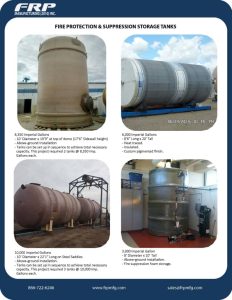
Above-ground fire water storage tanks are installed at ground level and are among the most common solutions for commercial and industrial facilities. These tanks are easy to access for inspections and maintenance while offering flexible installation options. Many organizations prefer above-ground fire protection water tanks because they are easier to monitor and service.
Underground fire suppression water tank systems are installed beneath the ground surface. These tanks are ideal for locations where space is limited or where maintaining a low visual profile is important. Businesses operating in urban environments in Washington often choose underground fire protection storage tanks for their space-saving advantages.
Elevated fire suppression tanks are installed on towers or supporting structures. These tanks use gravity to deliver water to fire suppression systems, ensuring a continuous supply even during power outages. Elevated systems are particularly useful in areas where additional water pressure is needed.
Many industries rely on fire suppression tanks to protect facilities and maintain compliance with safety regulations. These tanks are widely used across different sectors in Washington, including:
In these environments, fire protection water tanks provide the large volumes of water necessary to support sprinkler systems, hydrants, and firefighting equipment during emergencies.
| Tank Type | Typical Capacity | Best Applications | Advantages |
|---|---|---|---|
| Above-Ground Tanks | 10,000-500,000+ gallons | Industrial facilities, warehouses, and agricultural operations | Easy maintenance, quick installation |
| Underground Tanks | 10,000-250,000 gallons | Urban areas, commercial buildings | Space-saving and discreet |
| Elevated Tanks | 25,000-500,000 gallons | Municipal systems, large industrial sites | Gravity-fed pressure and reliable supply |
| Large-Capacity Industrial Tanks | 100,000-1,000,000+ gallons | Manufacturing plants, large storage facilities | High-volume water reserves |
Selecting the right fire suppression water tank requires careful planning and consideration of several key factors. The correct tank size, materials, and installation method will determine how effectively the system performs during a fire emergency.
The first consideration is storage capacity. Facilities must determine the volume of water required to support fire suppression systems for the duration specified by fire codes in Washington. Large industrial properties may require significant storage volumes to maintain adequate water flow for sprinkler systems and hydrants.
Tank materials are another important factor. Common materials used for fire protection water tanks include steel, fiberglass, and concrete. Fiberglass tanks are often chosen because they offer excellent corrosion resistance and long-term durability, making them a reliable option for fire protection storage tanks.
Installation location also plays a critical role. Facilities must evaluate available space, terrain conditions, and access for maintenance when choosing between above-ground, underground, or elevated fire suppression tanks.
Maintenance access is equally important. A properly designed fire water tank should allow for routine inspections, cleaning, and repairs to ensure long-term reliability.
Finally, regulatory compliance is essential. All fire protection water storage tanks must meet relevant fire safety standards and building codes. Ensuring compliance with NFPA standards and local regulations in Washington guarantees that the system will perform as intended during emergencies.
| Design Factor | Why It Matters | Recommended Considerations |
|---|---|---|
| Storage Capacity | Determines water availability during fire events | Calculate based on fire risk and building size |
| Tank Material | Impacts durability and maintenance needs | Steel, fiberglass, or concrete options |
| Installation Type | Affects space requirements and accessibility | Above-ground, underground, or elevated |
| Maintenance Access | Ensures reliable long-term performance | Include ladders, hatches, and service ports |
| Code Compliance | Required for safety and legal operation | Follow NFPA and local fire codes |
| Climate Durability | Important for long-term operation | Insulation and weather-resistant materials |
Fire protection systems must meet strict safety standards to ensure effectiveness during emergencies. Many facilities in Washington must comply with fire protection codes that require dedicated water reserves for fire suppression systems.
Standards such as NFPA 22 regulate the design and installation of fire water storage tanks and related fire protection infrastructure. These regulations ensure that fire suppression tanks provide adequate capacity, proper connections, and reliable performance when connected to sprinkler systems or hydrants.
Local building authorities may also require inspections and certification to verify that fire protection water storage tanks meet operational requirements. Installing compliant fire protection storage tanks not only improves safety but also helps property owners avoid potential penalties and operational disruptions.
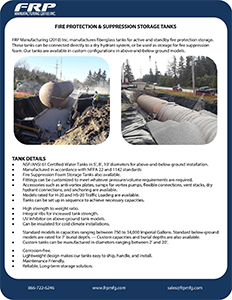
Businesses and municipalities seeking reliable fire protection solutions can invest in high-quality fire protection storage tanks designed for long-term performance. Modern fiberglass tanks offer durability, corrosion resistance, and customizable features that support various fire suppression systems.
Manufacturers can design fire protection water tanks with specialized connections, suction ports, vents, ladders, and monitoring systems to meet specific project requirements. These custom features ensure that each fire suppression water tank integrates seamlessly with existing fire protection infrastructure.
By installing properly engineered fire water storage tanks in Washington, organizations can enhance safety, meet regulatory requirements, and ensure dependable fire suppression capabilities for years to come.

The required capacity depends on building size, fire risk level, and regulatory requirements in Washington.
Many commercial and industrial facilities must install fire protection water storage tanks to comply with fire safety regulations and building codes.
Common materials include steel, fiberglass, and concrete, each offering different durability and maintenance advantages.
Most systems require regular inspections and annual professional assessments to ensure proper performance.
Yes, manufacturers can customize fire protection storage tanks with specialized fittings, access ports, and connections.
Yes. A fire water storage tank typically supplies water directly to sprinkler systems and fire pumps.
High-quality tanks can last several decades with proper maintenance and inspections.
Yes, underground fire suppression tanks are commonly used where space is limited or aesthetic considerations are important.
You can contact a specialized tank manufacturer to design and supply a fire suppression water tank tailored to your facility’s fire protection requirements.